

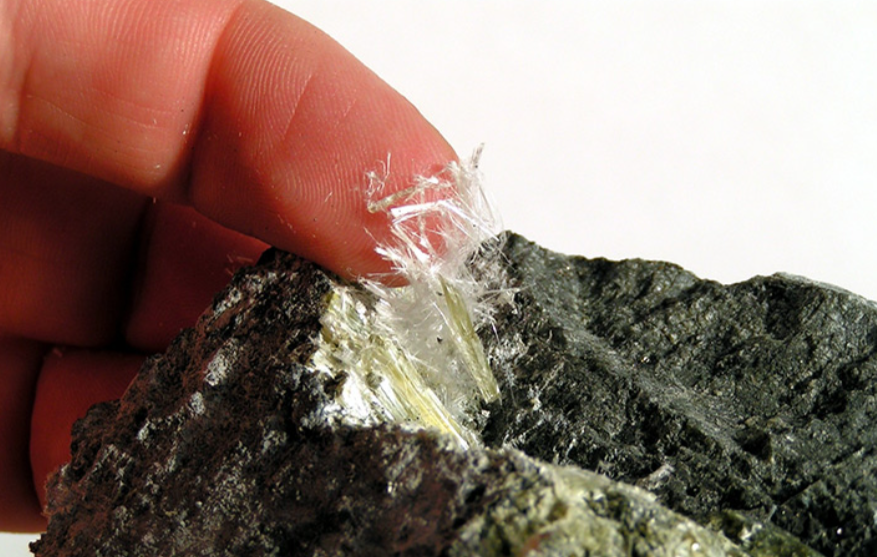
Asbestos remains one of the most significant health hazards in buildings constructed before the 2000s. Research indicates that exposure to asbestos fibers is strongly linked to serious respiratory illnesses, including asbestosis, lung cancer, and mesothelioma. Detailed asbestos survey reports are essential tools for identifying the presence and condition of asbestos-containing materials. These reports provide clear, actionable insights that allow property owners, managers, and tenants to implement effective safety measures, reducing exposure risks and ensuring compliance with health and safety regulations.
What Makes a Survey Report ‘Detailed’?
A detailed asbestos survey report goes beyond simple identification. Statistical studies show that thorough reports improve safety decision-making and minimize unnecessary removals. Comprehensive reports include material type, location, condition, potential for disturbance, and recommended actions. They also provide photographic evidence and risk categorization. This level of detail enables property managers to prioritize high-risk areas and allocate resources efficiently while maintaining a safe environment for occupants.
How Do Surveys Identify Asbestos Hazards?
Accurate hazard identification requires a combination of on-site inspections and laboratory analysis. Accredited surveyors collect samples from suspect materials and have them analyzed in certified laboratories to confirm the presence of asbestos. Research demonstrates that buildings without systematic surveys often overlook hidden asbestos sources, leading to increased exposure risk. Detailed survey reports provide a clear record of all findings, ensuring that no potential hazard is ignored.
Why Is Risk Assessment a Key Component of Survey Reports?
Risk assessment is a statistically proven method to prioritize safety interventions. Data suggests that proactive assessment of asbestos risk reduces exposure incidents by more than 70%. Detailed reports evaluate the condition of materials, the likelihood of fiber release, and potential for human contact. By quantifying risk levels, property owners can implement targeted management strategies, whether it is removal, encapsulation, or ongoing monitoring. This approach minimizes health risks while optimizing safety budgets.
How Does Professional Reporting Ensure Regulatory Compliance?
Government regulations require accurate documentation of asbestos presence and management plans. Detailed reports from accredited professionals meet these regulatory standards, providing legal and operational reassurance. Statistical evidence shows that well-documented surveys reduce the likelihood of enforcement actions and liability claims. By maintaining clear and compliant records, property managers can demonstrate due diligence and ensure their buildings meet all safety requirements.
Can Detailed Reports Reduce Long-Term Costs?
Investing in a detailed asbestos survey is cost-effective in the long term. Data shows that early detection of asbestos hazards reduces remediation costs by up to 50%, compared to reactive approaches after accidental exposure or damage. By accurately identifying and categorizing risks, property owners can focus resources where they are most needed, avoiding unnecessary removal and minimizing operational disruptions.
What Are the Practical Benefits for Clients?
Clients gain peace of mind, clarity, and actionable guidance from detailed reports. Statistical research indicates that properties with comprehensive asbestos management plans experience fewer safety incidents and maintain higher operational continuity. Reports support safe renovations, property sales, or lease agreements by providing verified evidence of asbestos management. Ultimately, this transparency enhances both safety and professional credibility.
Conclusion: Are Detailed Asbestos Survey Reports Worth the Investment?
From a statistical and professional perspective, detailed asbestos survey reports are essential for protecting health and safety. By combining thorough inspections, laboratory verification, risk assessment, and compliant reporting, these surveys provide measurable benefits for property owners and occupants alike. Investing in detailed reports not only reduces exposure risks and legal liabilities but also ensures efficient resource allocation and long-term operational continuity. In modern building management, comprehensive asbestos survey reports are an indispensable tool for safeguarding both people and property.