

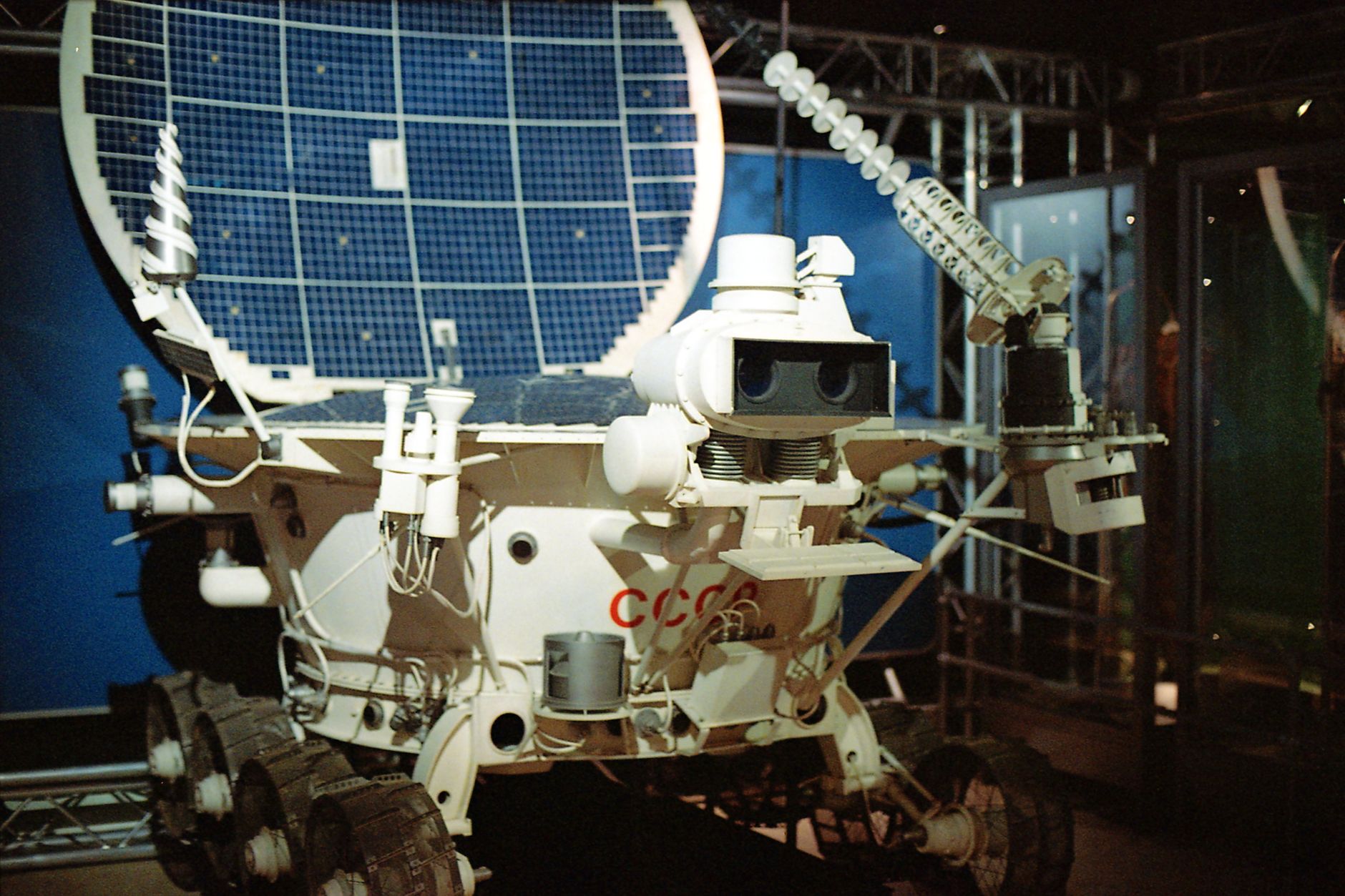
Robot-built solar deployment is gaining traction as Planted secures $31.8 million in funding to enhance its innovative approach to solar energy.
Overview of Planted’s Funding
Planted, a pioneering company in the renewable energy sector, has successfully raised $31.8 million in its latest funding round. This significant investment aims to enhance the company’s innovative robot-built solar deployment technology. With a focus on automating solar panel installation, Planted seeks to streamline the process and reduce costs associated with traditional methods.
The funding will primarily be allocated towards expanding their robotic systems and scaling up production capabilities. Investors are optimistic about the potential for increased efficiency and sustainability in solar energy projects.
- Enhancement of robot technology for faster installations
- Reduction in labor costs and project timelines
- Increased accessibility of solar energy solutions
As the demand for renewable energy sources rises, Planted’s innovative approach positions it as a leader in the solar industry.
Impact of Robotics on Solar Energy
The integration of robotics in solar energy deployment has revolutionized the sector, promising enhanced efficiency and reduced costs. As companies like Planted embrace the concept of robot-built solar deployment, several key impacts are becoming evident:
- Increased Speed: Robotics can significantly accelerate the installation process, allowing solar projects to be completed in a fraction of the time compared to traditional methods.
- Enhanced Precision: Robots can perform tasks with a high degree of accuracy, minimizing errors that can lead to costly delays and rework.
- Cost Reduction: Automating labor-intensive tasks reduces the need for a large workforce, ultimately lowering overall project costs.
- Safety Improvements: Deploying robots in hazardous environments minimizes risks for human workers, ensuring safer operations.
Overall, the impact of robotics on solar energy is poised to drive significant advancements in sustainability and efficiency.
Future of Solar Deployment Technologies
The future of solar deployment technologies is evolving rapidly, as innovations like robot-built solar deployment are reshaping the industry. This advancement not only enhances efficiency but also reduces costs associated with traditional solar installation methods. As companies like Planted continue to secure substantial investments, the integration of robotics into solar technologies promises to revolutionize how solar panels are deployed and maintained.
Key benefits of these emerging technologies include:
- Increased Efficiency: Robots can operate continuously, minimizing downtime.
- Cost Reduction: Automation lowers labor costs and speeds up installation times.
- Precision and Safety: Robots can perform tasks in hazardous environments, reducing human risk.
As the demand for renewable energy sources grows, the role of robotic systems in solar deployment will likely expand, driving further investments and innovations in the sector.
Insights into Renewable Energy Investments
Investing in renewable energy has become increasingly attractive for both private and public sectors, especially with innovations like robot-built solar deployment. Industry experts indicate that this trend is shaping the future of energy solutions.
Recent analyses show that investments in robotics for solar energy have the potential to:
- Reduce installation costs by optimizing labor efficiency.
- Enhance precision in solar panel placement, leading to greater energy output.
- Accelerate deployment timelines, allowing for quicker transitions to renewable sources.
With initiatives like Planted’s recent $31.8 million funding round, the momentum behind these technologies is undeniable. As the market evolves, investors are keeping a keen eye on developments in robot-built solar deployment, promising a brighter future for sustainable energy.
Photo by Alan Wang on Pexels