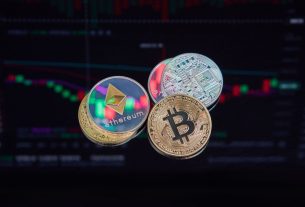
The Bitcoin inflation test is crucial as the cryptocurrency market faces uncertainty. With ETF inflows losing momentum, investors are watching closely to see if Bitcoin can maintain its $80,000 floor.
Understanding Bitcoin’s Price Floor
As the cryptocurrency market evolves, understanding Bitcoin’s price floor becomes increasingly crucial, especially with the current Bitcoin inflation test on the horizon. Analysts are closely monitoring the $80,000 support level, which has been a significant threshold for Bitcoin’s price stability.
The price floor is influenced by several factors, including market demand, investor sentiment, and macroeconomic conditions. In recent weeks, the momentum for Bitcoin exchange-traded fund (ETF) inflows has diminished, raising concerns about the sustainability of this support level.
Key indicators that could signal a breach or reinforcement of the $80,000 floor include:
- Market Sentiment: A shift in investor confidence can lead to increased volatility.
- Regulatory Developments: Changes in the regulatory landscape can significantly impact market dynamics.
- Global Economic Trends: Inflation rates and economic policies affect investor behavior across all assets, including Bitcoin.
As the Bitcoin inflation test approaches, investors are urged to remain vigilant. Evaluating both short-term fluctuations and long-term trends will be essential in deciding whether now is the right time to invest in Bitcoin.
Impact of Inflation on Bitcoin
The relationship between inflation and Bitcoin has become a focal point for investors, particularly as the cryptocurrency faces an inflation test. As inflation rates rise, traditional financial systems tend to react with heightened volatility, which can directly impact Bitcoin’s performance.
Many analysts believe that Bitcoin serves as a hedge against inflation, arguing that its fixed supply makes it an attractive alternative to fiat currencies. However, the current economic climate raises questions about this theory. For instance:
- Investor Sentiment: As inflation soars, many investors flock to safer assets, potentially sidelining Bitcoin.
- Market Volatility: Increased inflation often leads to market instability, which can result in sharp price fluctuations for cryptocurrencies.
- Regulatory Concerns: Heightened inflation may prompt governments to implement stricter regulations on cryptocurrencies, affecting market confidence.
As Bitcoin approaches its inflation test, the attention on its ability to weather these economic shifts intensifies. The outcome may significantly influence investor decisions, making this a critical moment for both Bitcoin enthusiasts and skeptics alike.
ETF Inflows and Market Sentiment
As the financial landscape evolves, the recent decline in ETF inflows has raised questions about market sentiment surrounding Bitcoin. Investors are now grappling with the implications of the upcoming Bitcoin inflation test, which could significantly influence future price movements.
Several factors are contributing to the current climate:
- Declining ETF Inflows: A noticeable drop in ETF inflows indicates a shift in investor confidence. Many are reconsidering their positions in light of potential inflationary pressures.
- Market Sentiment: The mood among traders is mixed, with some expressing optimism about Bitcoin’s long-term prospects while others remain cautious amidst macroeconomic uncertainties.
- Technical Analysis: Analysts are closely monitoring key support levels, as the impending inflation test could either reinforce or undermine Bitcoin’s price floor.
In the face of these challenges, the Bitcoin inflation test will serve as a crucial indicator of how resilient the market truly is. Investors are advised to stay informed and assess their strategies carefully as they navigate this unpredictable environment.
With the stakes higher than ever, the coming weeks could be pivotal for both seasoned investors and newcomers alike.
Historical Bitcoin Price Analysis
The historical price analysis of Bitcoin reveals significant trends that investors should consider, especially during the current Bitcoin inflation test. Over the years, Bitcoin has experienced notable peaks and troughs, often driven by macroeconomic factors, regulatory changes, and market sentiment.
In late 2021, Bitcoin reached an all-time high of nearly $69,000, capturing widespread attention. However, following this peak, the price faced a steep decline, dropping to around $30,000 in mid-2022. This sharp decrease raised concerns about Bitcoin’s resilience as an investment, particularly during inflationary periods.
As inflation rates continue to fluctuate, analyzing Bitcoin’s historical performance in similar economic climates can provide valuable insights. Here are some key points to consider:
- Correlation with Inflation: Historically, Bitcoin has been viewed as a hedge against inflation, but this relationship is not always consistent.
- Market Reactions: Price fluctuations often coincide with major economic announcements, such as inflation reports.
- Investor Sentiment: The perception of Bitcoin’s value can shift rapidly, impacting price stability.
Understanding these historical patterns is crucial for investors contemplating entry during the current Bitcoin inflation test.
Expert Opinions on Bitcoin’s Future
As the cryptocurrency market grapples with rising inflation, experts weigh in on the implications of the upcoming Bitcoin inflation test. Many analysts express cautious optimism regarding Bitcoin’s resilience, while others urge potential investors to tread carefully.
- Dr. Emily Chen, Cryptocurrency Analyst: “The current economic climate presents both challenges and opportunities for Bitcoin. While inflation could pressure prices, the asset’s deflationary nature offers a hedge against traditional currency devaluation.”
- Mark Reynolds, Financial Strategist: “Investors should consider the timing of their entry. The Bitcoin inflation test could reveal critical insights into market behavior, and those who act quickly may benefit from lower prices.”
- Sarah Lopez, Blockchain Researcher: “Historical trends suggest Bitcoin often emerges stronger after periods of economic stress. However, the upcoming inflation test will be pivotal in determining if this pattern holds true.”
In summary, while some experts believe that the Bitcoin inflation test may hinder short-term investments, others maintain that it could ultimately reinforce Bitcoin’s status as a viable long-term asset. As the market evolves, the consensus remains that investors should remain vigilant and informed.
Strategies for Bitcoin Investment
As investors navigate the complexities of the current market, several strategies can help mitigate risks associated with the Bitcoin inflation test. These approaches can provide a structured way to engage with Bitcoin, especially during periods of economic uncertainty.
- Dollar-Cost Averaging: This strategy involves investing a fixed amount in Bitcoin at regular intervals, regardless of its price. This can help reduce the impact of volatility and is particularly beneficial during inflation tests.
- Diversification: Consider diversifying your portfolio by including other cryptocurrencies or assets. This can spread risk and potentially increase returns, especially if Bitcoin faces headwinds.
- Stay Informed: Keeping up with market trends and economic indicators is crucial. Understanding how inflation impacts Bitcoin can guide investment decisions.
- Long-Term Perspective: Many experts suggest adopting a long-term approach. Bitcoin’s historical performance shows that patience can often yield positive returns, even during challenging times.
- Use of Stop-Loss Orders: Setting stop-loss orders can help protect investments during sudden market downturns, particularly important in a volatile environment.
With the Bitcoin inflation test looming, employing these strategies may help investors navigate the uncertainties ahead.
Market Reactions to Inflation Reports
As inflation reports continue to dominate financial news, market reactions to these updates have become increasingly pronounced, particularly regarding Bitcoin. Investors are closely monitoring the upcoming Bitcoin inflation test, as many believe that the results will significantly influence Bitcoin’s price trajectory.
Recent trends indicate that inflationary pressures tend to sway Bitcoin’s value, with fluctuations often mirroring broader economic indicators. Analysts have noted a correlation between rising inflation rates and a surge in Bitcoin investments, as many view the cryptocurrency as a hedge against inflation. However, the current climate is showing signs of uncertainty.
- Investor Sentiment: Many investors are adopting a cautious approach, weighing the potential risks of entering the market amidst volatile inflation reports.
- Market Volatility: Recent trading sessions have revealed sharp price swings, further complicating investment decisions.
- Technical Indicators: Charts suggest that Bitcoin is approaching critical resistance levels, which could be tested based on the outcomes of upcoming inflation data.
With these dynamics at play, the outcome of the inflation reports could either solidify Bitcoin’s position as a reliable asset or challenge its perceived value in the eyes of investors.
What Investors Should Watch Next
As Bitcoin faces a critical inflation test, investors should remain vigilant and monitor several key indicators that could influence market dynamics. The upcoming inflation data release is anticipated to provide insights into the broader economic landscape, which directly affects Bitcoin’s volatility and investor sentiment.
First, keep an eye on inflation figures, particularly the Consumer Price Index (CPI) and Producer Price Index (PPI). These metrics can signal whether inflation is cooling or persisting, which in turn could impact Bitcoin’s attractiveness as a hedge against inflation.
Next, watch for regulatory developments surrounding Bitcoin and cryptocurrency markets. Any significant announcements from financial authorities could sway investor confidence and market behavior.
Additionally, monitor ETF inflows. A decline in inflows may indicate waning interest from institutional investors, which could influence Bitcoin’s price stability. Conversely, increased inflows may suggest renewed optimism regarding Bitcoin as an investment.
Finally, keep track of market sentiment. Tools such as the Fear and Greed Index can provide insights into whether investors are feeling bullish or bearish, which is crucial during a Bitcoin inflation test.