

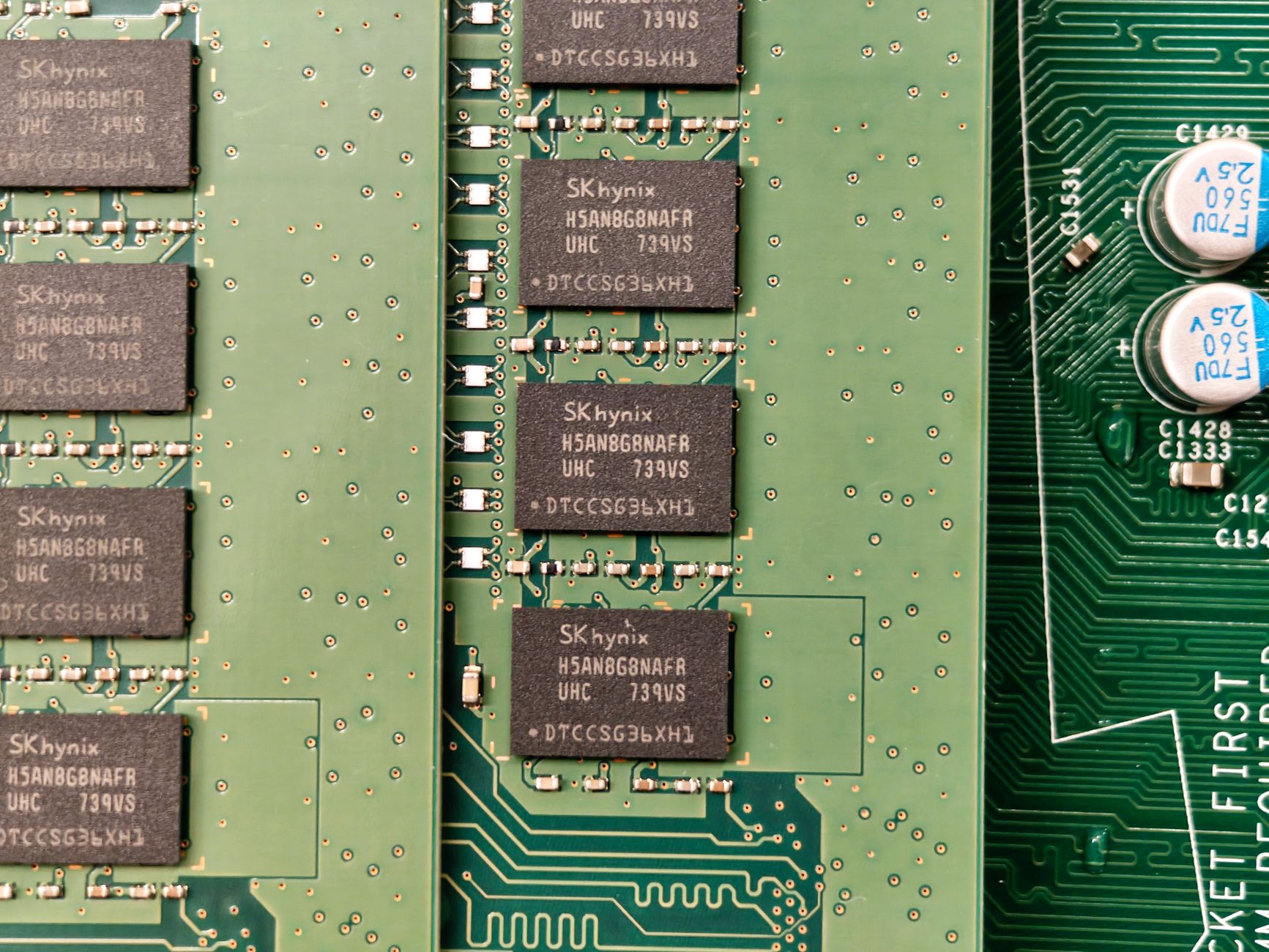
DRAM shortages 2028 are a growing concern in the tech industry, as highlighted by Intel’s ex-CEO Pat Gelsinger’s recent comments on memory technology.
Understanding DRAM Shortages
The ongoing discussion surrounding DRAM shortages 2028 highlights the critical challenges faced by the technology industry. As demand for memory components escalates due to advancements in artificial intelligence, cloud computing, and gaming, manufacturers struggle to keep up with supply.
Several factors contribute to these shortages:
- Increased Demand: The proliferation of smart devices and the growth of data centers require more powerful memory solutions.
- Manufacturing Limitations: The production capacity of semiconductor manufacturers is not expanding at the same pace as demand, leading to bottlenecks.
- Geopolitical Issues: Trade tensions and regulations can disrupt supply chains, exacerbating shortages.
- Technological Challenges: Innovations such as High Bandwidth Memory (HBM) have their own set of issues, as noted by industry experts, complicating the transition to newer technologies.
Pat Gelsinger, former CEO of Intel, has referred to HBM as a “hideous memory,” underscoring the complexities involved in meeting the market’s needs. As companies navigate these challenges, the impact of DRAM shortages until 2028 will be felt across various sectors, influencing pricing and product availability.
Pat Gelsinger’s Critique of HBM
Pat Gelsinger, the former CEO of Intel, has recently expressed strong opinions regarding High Bandwidth Memory (HBM), calling it a “hideous memory.” This critique comes amidst ongoing discussions about the anticipated DRAM shortages in 2028, which are projected to impact various sectors of the tech industry.
Gelsinger highlighted several critical issues with HBM, particularly its poor bit density and significant thermal challenges. He argued that these factors make HBM less viable for widespread adoption, especially as technology demands continue to escalate. Additionally, he pointed out the shoreline bandwidth issues that hinder HBM’s performance, further compounding the concerns about its utility in modern computing applications.
Despite the advancements in memory technology, Gelsinger’s comments underscore the potential pitfalls of relying on HBM as a solution to the anticipated memory constraints. With companies like Nanya forecasting that DRAM shortages will persist until 2028, the tech industry may need to explore alternative memory solutions that can better meet the demands of future applications.
As the landscape of memory technology evolves, Gelsinger’s insights serve as a critical reminder of the challenges that lie ahead for both manufacturers and consumers alike.
Future of Memory Technology
The future of memory technology is poised for significant evolution as the industry grapples with ongoing DRAM shortages 2028. As demand for high-performance computing and advanced applications continues to surge, manufacturers are exploring innovative solutions to address these challenges.
One potential avenue is the development of new memory architectures that can enhance data throughput and efficiency. Industry experts suggest that advancements in 3D NAND technology may play a vital role in mitigating the impact of DRAM shortages. This technology allows for the stacking of memory cells, which can lead to increased storage density and performance.
Additionally, researchers are investigating the viability of alternative memory types, such as MRAM (Magnetoresistive Random Access Memory) and ReRAM (Resistive Random Access Memory), which promise faster speeds and lower power consumption compared to traditional DRAM. These alternatives could become more mainstream as the market seeks to overcome the limitations posed by current DRAM supply constraints.
In conclusion, the memory technology landscape is on the brink of transformation, driven by the pressing challenges of DRAM shortages, particularly as we approach 2028. The innovations in memory solutions could redefine performance standards across various sectors in the tech industry.
Impact on Consumer Electronics
The ongoing DRAM shortages projected to last until 2028 are set to have significant implications for the consumer electronics sector. As manufacturers strive to keep up with the demand for devices such as smartphones, tablets, and laptops, the limited availability of DRAM has resulted in increased prices and longer wait times for consumers.
Many popular gadgets have already seen features stripped down or delayed due to the scarcity of these essential memory components. This shortage has led to a ripple effect across various product lines, impacting everything from high-end gaming consoles to everyday household electronics.
Key players in the tech industry are now faced with tough decisions as they balance production costs with consumer expectations. Manufacturers are exploring alternative memory solutions, but these options often come with trade-offs in performance or compatibility.
As the demand for more advanced features continues to rise, consumers may find themselves paying a premium for devices equipped with the latest technology. In the long run, the DRAM shortages in 2028 could reshape the landscape of consumer electronics, pushing companies to innovate faster or risk losing market share.
Industry Predictions for 2028
As the tech industry braces for continued DRAM shortages in 2028, analysts predict significant ramifications across various sectors. With the increasing demand for high-performance computing and advanced gaming systems, the pressure on DRAM supply chains is expected to intensify. Key industry players are now strategizing to mitigate the impact of these shortages.
Several factors contribute to the ongoing crisis:
- Increased demand for data centers and cloud services, which require substantial memory resources.
- Supply chain disruptions that have persisted since the pandemic, affecting production capabilities.
- Technological advancements that push for higher memory specifications in new devices, further straining available resources.
Industry experts believe that these shortages will not only affect pricing but also the pace of innovation in tech products. Companies may face challenges in launching new devices, leading to delays and potential revenue losses. The ongoing situation will push manufacturers to explore alternative memory technologies or even invest in new production facilities to alleviate the impending crisis.
In summary, as the tech industry prepares for DRAM shortages 2028, stakeholders must adapt to an evolving landscape that prioritizes flexibility and innovation.
Nanya’s Position on DRAM
Nanya Technology, a key player in the semiconductor industry, has voiced its concerns regarding the ongoing DRAM shortages expected to extend until 2028. The company’s executives have emphasized the challenges posed by fluctuating demand and supply chain disruptions that have plagued the market over the past few years.
In a recent statement, Nanya highlighted that the DRAM shortages are not just a temporary issue but rather a significant hurdle impacting the technology landscape. The company pointed out the necessity for robust investment in manufacturing capabilities to address these shortages effectively. According to Nanya, the current landscape demands innovation and strategic planning to ensure a stable supply of DRAM products.
Moreover, Nanya has noted that the anticipated DRAM shortages will affect various sectors, including consumer electronics and enterprise solutions. The firm reiterated its commitment to enhancing production efficiency and exploring new materials to mitigate the impact of these shortages on its clients.
As the industry navigates these challenges, Nanya’s proactive approach could play a crucial role in shaping the future of memory technology. Their insights reflect a growing concern shared by many in the tech industry as they prepare for the implications of DRAM shortages in 2028.
The Role of Intel in Memory Markets
Intel plays a pivotal role in the memory markets, particularly in the context of ongoing DRAM shortages in 2028. As a major semiconductor manufacturer, Intel’s strategies and innovations directly influence the availability and development of memory technologies. With Pat Gelsinger, former CEO of Intel, vocalizing concerns about High Bandwidth Memory (HBM), the company is facing pressure to enhance memory solutions that can meet the demands of evolving technology.
The challenges highlighted by Gelsinger regarding HBM’s “hideous memory” characteristics suggest a need for a reevaluation of memory architectures as Intel seeks to maintain its competitive edge. The issues of bit density, thermal performance, and bandwidth are not just technical challenges; they also have significant implications for the broader tech industry, which relies on efficient memory solutions.
- The semiconductor giant must innovate to address these issues and potentially alleviate the forecasted shortages.
- As competitors ramp up production, Intel’s response to the current memory landscape will be crucial.
- Industry experts suggest that Intel’s advancements could either mitigate the anticipated DRAM shortages or exacerbate them, depending on how quickly they adapt.
Ultimately, the company’s actions will significantly shape the future of memory technology and its impact on the tech industry.
The ongoing DRAM shortages 2028 are expected to significantly hinder the production of consumer electronics, leading to delays and increased prices. As companies scramble to secure their supply chains, the ramifications of DRAM shortages 2028 will be felt across multiple sectors, from smartphones to servers.
Photo by Adriano Ponte Abreu on Pexels

