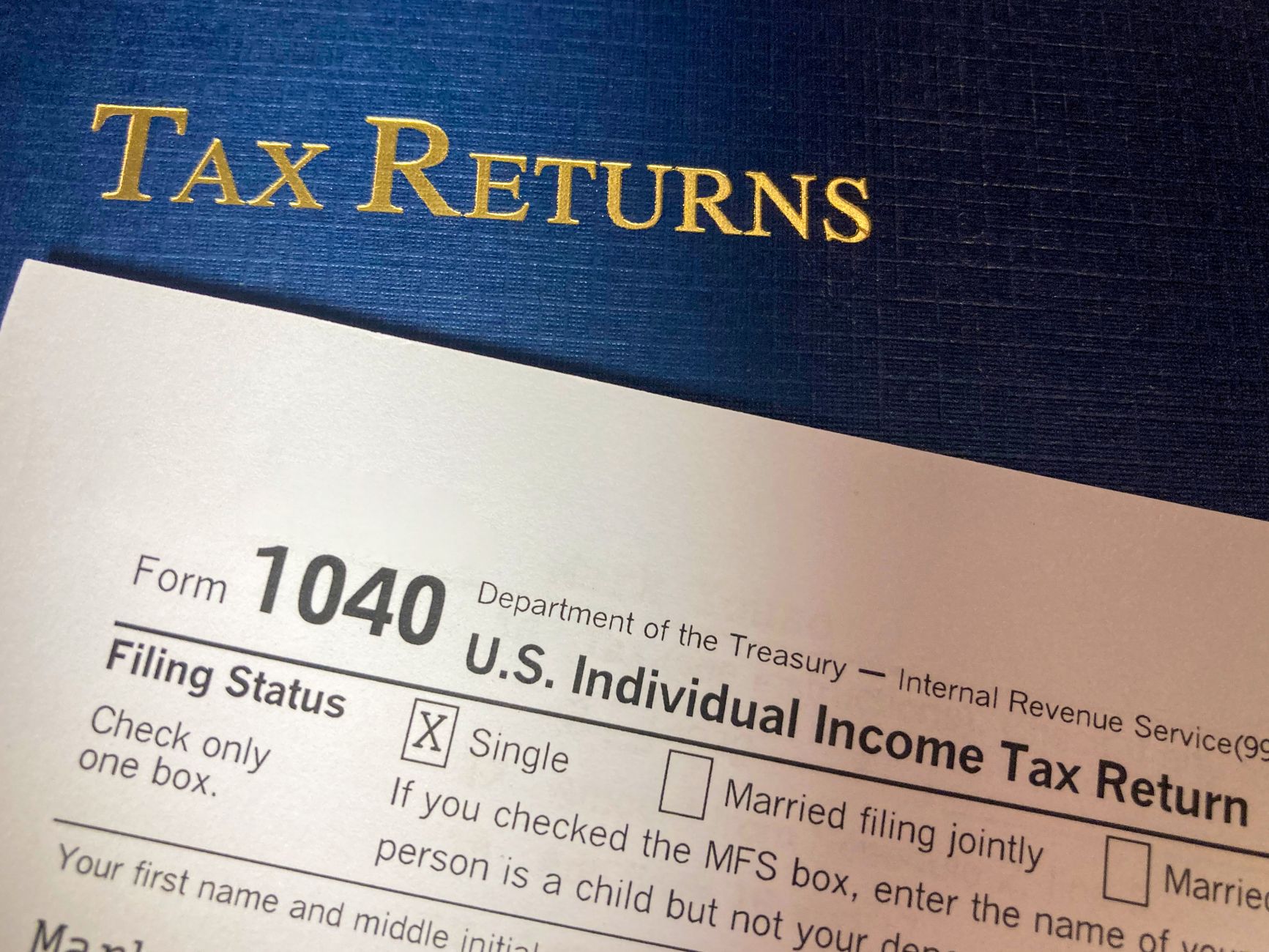
Federal Scholarship Tax Credit is a new initiative announced by Hochul, aimed at providing financial relief for students in New York. This program is designed to ease the burden of education expenses.
What is the Federal Scholarship Tax Credit?
The Federal Scholarship Tax Credit is a program designed to provide financial relief to families seeking to support their children’s education through scholarships. This initiative allows taxpayers to receive credits for donations made to scholarship funding organizations that, in turn, provide scholarships to eligible students attending private schools. By participating in this program, families can not only reduce their tax burden but also contribute to the educational opportunities available in their communities.
Under this program, contributions to scholarship funds are incentivized, making it easier for families to afford private education. The federal government encourages participation by offering tax credits that can be applied against a taxpayer’s federal income tax obligation. This means that the more individuals donate to these funds, the more scholarships can be awarded to students in need.
The Federal Scholarship Tax Credit serves multiple purposes:
- It increases access to quality education for students who may not have the means to attend private institutions.
- It fosters community support for education by encouraging local businesses and individuals to invest in the future of their youth.
- It creates a competitive environment for schools, which can lead to improved educational outcomes.
As states like New York join this initiative, more families are expected to benefit from the financial incentives offered, paving the way for greater educational opportunities across the nation.
How New York Will Implement the Program
New York is set to implement the Federal Scholarship Tax Credit program with the goal of providing additional financial support for families seeking educational opportunities for their children. Governor Kathy Hochul announced the initiative, emphasizing its potential to alleviate the financial burden on parents while expanding educational choices.
The program will operate through a partnership with various scholarship organizations, which will be responsible for administering the funds. Families will be able to apply for scholarships to cover tuition costs at eligible private schools, thereby maximizing the impact of the Federal Scholarship Tax Credit. The program is designed to benefit low- to middle-income families, ensuring that more students have access to quality education.
Key features of the implementation include:
- Eligibility Criteria: Families with an income below a certain threshold will qualify for scholarships, making it accessible to those who need it most.
- Partnerships: The state will collaborate with approved scholarship organizations to streamline the application and distribution process.
- Awareness Campaign: An outreach program will be launched to inform families about the availability of the Federal Scholarship Tax Credit and how to apply.
As New York moves forward with this initiative, the hope is to improve educational equity and provide families with the financial resources they need to explore new academic avenues.
Benefits of the Federal Scholarship Tax Credit
The Federal Scholarship Tax Credit offers numerous advantages for families looking to ease the financial burden of education. By participating in this program, taxpayers can significantly reduce their tax liabilities while supporting educational opportunities for students in need.
One of the primary benefits is that it allows individuals and businesses to receive a tax credit for donations made to scholarship funds. These funds provide scholarships to students attending private schools, thereby increasing access to quality education.
Additionally, the Federal Scholarship Tax Credit incentivizes donations from those who may not have otherwise contributed. This can lead to a substantial increase in funding for scholarship programs, which benefits a larger number of students.
Moreover, the program encourages a community-focused approach to education. Local businesses and individuals can directly contribute to the educational landscape, fostering a sense of investment and involvement in the future of their communities.
Another significant advantage is the potential for long-term educational improvements. By expanding the options for families, the program can stimulate competition among schools, which may lead to enhanced educational quality across the board.
In summary, the Federal Scholarship Tax Credit not only provides tax relief but also empowers families, stimulates economic contributions to education, and promotes a thriving educational environment for future generations.
Eligibility Requirements for Students
To qualify for the Federal Scholarship Tax Credit, students must meet specific eligibility requirements that ensure the program benefits those who need it most. These criteria help streamline the application process and target families who may struggle with educational expenses.
Key eligibility requirements include:
- Income Limits: The program is primarily designed for low- to moderate-income families. Students from households earning below a certain threshold will qualify for the tax credit, allowing them to access additional financial support for their education.
- Enrollment in an Eligible Institution: To take advantage of the Federal Scholarship Tax Credit, students must be enrolled in an eligible educational institution. This can include public and private schools that meet the state’s guidelines.
- Grade Level: Typically, the program is available for students in grades K-12, ensuring that the tax credit directly supports foundational education.
- Residency: Students must be residents of the state where the scholarship is being applied for, confirming their eligibility to receive benefits under local regulations.
By understanding these eligibility requirements, families can better navigate the process and maximize the benefits of the Federal Scholarship Tax Credit, ultimately making education more affordable and accessible.
How to Apply for the Tax Credit
Applying for the Federal Scholarship Tax Credit is a straightforward process designed to benefit eligible students and their families. Here are the steps to ensure you can take advantage of this financial opportunity:
- Gather Required Documentation: Before starting your application, collect all necessary documents including proof of income, tax returns, and any relevant information about your educational expenses.
- Determine Eligibility: Review the eligibility criteria to confirm that you meet the requirements. This includes being enrolled in an eligible educational institution and meeting income thresholds set by the program.
- Complete the Application: Fill out the application form accurately. Ensure that all information is correct and up-to-date to avoid delays in processing.
- Submit Your Application: Once completed, submit your application before the deadline. You can typically submit it online or by mail, depending on the specific instructions provided.
- Keep Copies: After submission, retain copies of your application and any documents sent. This will be helpful for tracking and future reference.
It is essential to regularly check for updates on the Federal Scholarship Tax Credit and any changes to the application process. By staying informed, you can ensure that you maximize your savings on education costs.
Photo by Mark Youso on Pexels
References
Bitcoin price prediction: Best outlook for $83,000 this week · SUPN Q2 2026 Earnings: Best Proven Performance in Market · Canara Robeco interim dividend: Clear benefits for investors