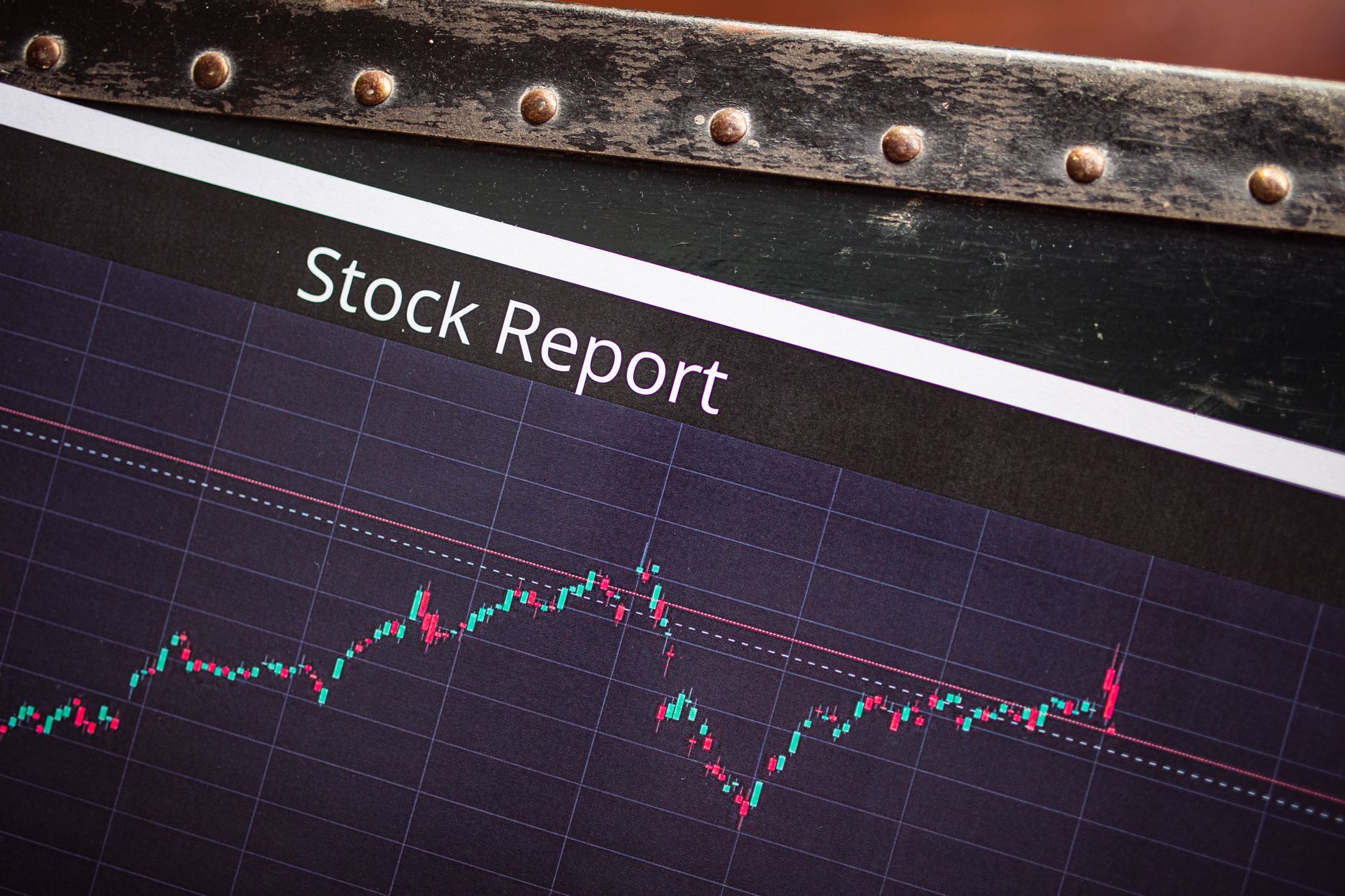
stock market trends are critical for investors looking to navigate the market effectively. Understanding the factors influencing Nifty and Sensex today can help you make informed decisions.
Key Factors Affecting Nifty
As investors closely monitor stock market trends, several key factors are influencing the performance of Nifty today. Understanding these elements can provide insights into potential market movements.
- Global Market Sentiment: The mood of international markets plays a significant role in shaping local indices. A positive sentiment abroad can lead to increased buying in Nifty, while global downturns typically cause a ripple effect.
- Oil Prices: Fluctuations in crude oil prices can significantly impact the stock market. Rising oil prices often lead to inflation concerns, which can negatively affect market performance.
- Currency Strength: The strength of the Indian Rupee against major currencies can influence foreign investment. A weaker Rupee may deter foreign investors, affecting Nifty’s performance.
- Economic Data Releases: Key economic indicators such as GDP growth, inflation rates, and employment figures provide essential information. Positive data releases generally bolster market confidence.
- Policy Changes: Government policies and regulations can either support or hinder market trends. Investors remain vigilant regarding any announcements that may impact economic growth.
By keeping an eye on these crucial factors, market participants can better navigate the complexities of stock market trends influencing Nifty’s trajectory today.
Understanding Oil Price Movements
The stock market trends are often influenced by various external factors, one of the most significant being oil price movements. As a major component of the global economy, changes in oil prices can have a profound effect on investor sentiment and market performance.
Recent fluctuations in oil prices have raised concerns among traders and analysts alike. A rise in oil prices typically signals increasing demand and economic growth; however, it can also lead to higher inflation rates, which may prompt central banks to adjust interest rates. This duality can create volatility in the stock market, particularly for sectors heavily reliant on oil, such as transportation and manufacturing.
Moreover, supply chain disruptions, geopolitical tensions, and changes in production levels from major oil-producing countries can further exacerbate these price movements. Key factors influencing oil prices include:
- Geopolitical Events: Tensions in oil-producing regions can lead to uncertainty in supply.
- Economic Data: Reports indicating economic growth or contraction can affect demand forecasts.
- OPEC Decisions: Changes in production quotas set by OPEC can directly impact oil prices.
Understanding these dynamics is crucial for investors looking to navigate current stock market trends effectively, particularly as oil prices continue to fluctuate.
Gold Rate Impact on Markets
The recent fluctuations in gold rates have become a significant factor influencing stock market trends, particularly in relation to the Nifty index. Investors closely monitor these changes, as they can indicate shifts in market sentiment and economic stability.
Gold is often viewed as a safe-haven asset, and its prices tend to rise during times of economic uncertainty or market volatility. This inverse relationship with the stock market means that when gold prices increase, investors may choose to reallocate their portfolios, pulling funds from equities like those in the Nifty. Conversely, a decrease in gold rates may lead to increased investment in stocks, potentially boosting market performance.
Several factors contribute to the fluctuations in gold prices:
- Global Economic Indicators: Economic data from major economies can sway gold prices, impacting stock market trends.
- Inflation Rates: Higher inflation often drives investors towards gold as a hedge, affecting stock market sentiment.
- Currency Strength: A weaker domestic currency typically leads to higher gold prices, influencing equity investments.
- Geopolitical Tensions: Increased uncertainty due to global conflicts can trigger a rise in gold prices, affecting stock market dynamics.
In summary, the interplay between gold rates and stock market trends is crucial for investors looking to navigate the complexities of the Nifty and beyond.
Expert Predictions for Sensex
As investors analyze the latest stock market trends, experts are providing insights into the potential movements of the Sensex in light of recent economic developments. With fluctuations in both local and global markets, predictions indicate that the Sensex may experience volatility in the near future.
Several expert analysts are focusing on key indicators that could drive the performance of the Sensex:
- Global Economic Data: Recent reports from major economies are expected to impact investor sentiment, especially regarding interest rates and inflation.
- Corporate Earnings Reports: The upcoming earnings season will be crucial, as strong results could bolster confidence in the market.
- Monetary Policy Decisions: The Reserve Bank of India’s stance on interest rates will play a significant role in shaping market expectations.
- Geopolitical Factors: Tensions in various regions may also influence market stability, prompting cautious trading among investors.
- Sector Performance: Specific sectors, such as technology and finance, are expected to show varying trends, potentially affecting overall market performance.
Investors are urged to remain vigilant and consider these factors as they navigate the current landscape of stock market trends. With the right strategies, there are opportunities for growth, even amidst uncertainty.
Market Sentiment and its Effects
Market sentiment plays a crucial role in shaping stock market trends, particularly for indices like the Nifty 50. Investors’ perceptions and emotions can significantly influence market movements, driving prices in either direction.
Recent fluctuations in the stock market have been largely attributed to various external factors, including geopolitical tensions and economic data releases. When investors feel optimistic about the future, they are more likely to buy stocks, leading to price increases. Conversely, negative news can result in panic selling, causing sharp declines.
Several factors currently affect market sentiment:
- Global Economic Indicators: Data releases from major economies impact investor confidence, influencing stock market trends.
- Corporate Earnings Reports: Positive earnings surprises can boost sentiment, while disappointing results may lead to declines.
- Government Policies: Changes in fiscal and monetary policies can alter market perceptions, affecting investment decisions.
- Investor Behavior: Trends in retail and institutional buying can reflect overall market sentiment, impacting Nifty performance.
Understanding these elements is essential for investors looking to navigate the current landscape. As market sentiment continues to evolve, it will remain a key driver of stock market trends, particularly for the Nifty 50.
Global Influences on Stock Markets
The stock market trends are significantly influenced by global events and economic indicators that can sway investor sentiment. Today, various international factors are creating a ripple effect on domestic indices like the Nifty and Sensex.
One major influence is the fluctuations in foreign markets. For instance, significant changes in the U.S. stock markets often set the tone for global trading. A downturn in Wall Street can lead to a cautious approach among Indian investors, impacting market performance.
Additionally, geopolitical tensions can also play a pivotal role. Events such as trade disputes or military conflicts may lead to increased volatility in stock prices as investors react to perceived risks. As a result, market sentiment can shift rapidly, prompting traders to reassess their positions based on news from abroad.
Another critical factor is currency fluctuations. The strength of the Indian Rupee against major currencies can affect foreign investments. A weaker rupee may deter foreign investors, which can negatively impact market trends.
Finally, global economic data, such as employment rates and GDP growth figures, can provide insights into the overall health of economies, influencing investor expectations and stock market trends in India. Understanding these global influences is essential for making informed trading decisions in the current market landscape.
Investment Strategies for Today
As investors navigate the complexities of the stock market trends, adopting effective investment strategies is crucial to maximizing returns. Today’s market environment presents a unique set of opportunities and challenges influenced by various factors discussed earlier.
One recommended strategy is to diversify your portfolio. This approach not only mitigates risk but also allows investors to capitalize on different sectors that may react differently to market changes. Consider allocating funds across technology, healthcare, and consumer goods, which have shown resilience in fluctuating markets.
Furthermore, staying informed about macroeconomic indicators such as inflation rates and interest rate changes can provide insights into potential stock market trends. For instance, a decrease in interest rates could lead to increased borrowing, stimulating economic growth and benefiting sectors like real estate and banking.
Another effective strategy involves utilizing technical analysis. By examining charts and historical price movements, investors can identify patterns that may predict future performance. This method can enhance decision-making, particularly in a volatile market environment.
Lastly, maintaining a long-term perspective is essential. While short-term market fluctuations can be unsettling, focusing on long-term goals typically yields the best results. Keeping these strategies in mind can empower investors to navigate today’s stock market trends effectively.
Photo by RDNE Stock project on Pexels
Sources
Related reading
Sensex Plunges 380 Points: Worst Day for Indian Markets · Streameast Live – Stay Updated With Live Sports Action · The Growing Popularity of Uncensored AI and Its Role in More Personalized Digital Experiences