

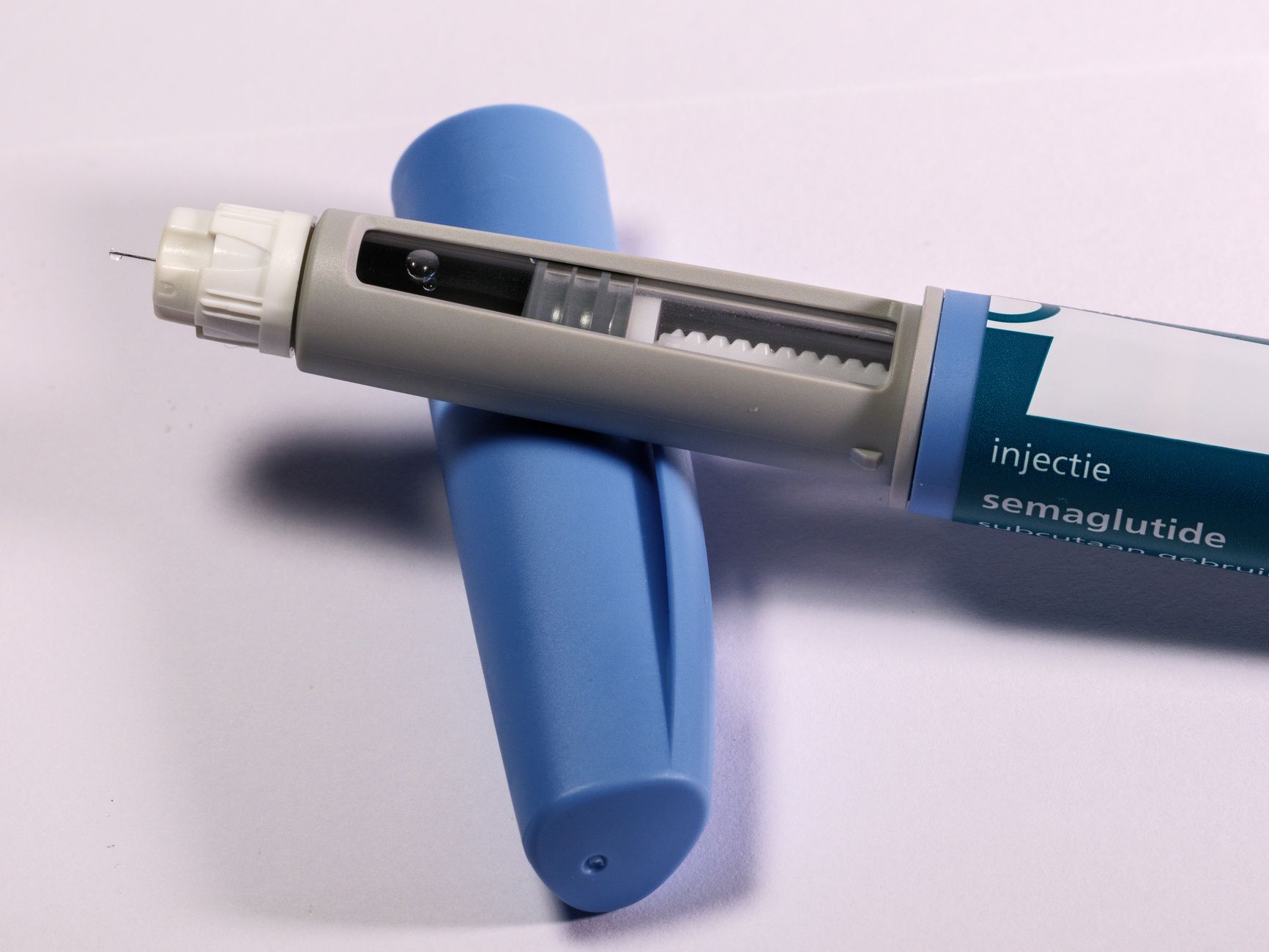
GLP-1 drug lawsuits are becoming increasingly common as dozens of individuals allege vision loss linked to these medications. This surge in legal action raises serious concerns about the safety and efficacy of such treatments.
Overview of GLP-1 Drugs
GLP-1 drugs, originally developed for the treatment of type 2 diabetes, have gained popularity for their weight loss benefits. These medications work by mimicking the action of the glucagon-like peptide-1 hormone, which helps regulate appetite and insulin secretion. However, recent reports have raised concerns over potential side effects, particularly in relation to vision loss.
As a result, dozens of individuals have initiated lawsuits against GLP-1 drug manufacturers, alleging that they were not adequately warned about the risks associated with these medications. The plaintiffs claim that they experienced significant vision impairment after using these drugs, prompting a wave of legal action.
Experts are now urging for more thorough investigations into the safety of GLP-1 drugs, as the alarming rise in vision loss claims continues to unfold.
Recent Lawsuits Filed
In recent months, a wave of GLP-1 drug lawsuits has emerged, with dozens of individuals coming forward to file claims against pharmaceutical companies. These lawsuits predominantly cite allegations of vision loss linked to the use of GLP-1 medications, which are primarily prescribed for weight management and diabetes. Plaintiffs are reporting a range of eye-related issues, from blurred vision to more severe complications that could lead to permanent damage.
The surge in claims has raised concerns among healthcare professionals and patients alike, prompting calls for increased scrutiny of the side effects associated with these drugs. As the legal battles unfold, many are watching closely to see how these cases will impact the future of GLP-1 medications and the companies that manufacture them.
Legal experts suggest that this trend may lead to further investigations into the safety and efficacy of these treatments.
Impacts on Vision Health
The rising wave of GLP-1 drug lawsuits has brought significant attention to the troubling reports of vision loss among users. Patients have begun to share their harrowing experiences, claiming that these medications, often prescribed for weight loss and diabetes management, have resulted in severe eye issues.
Many individuals have reported symptoms such as:
- Blurred vision
- Retinal damage
- Increased risk of diabetic retinopathy
Health experts are urging patients taking these drugs to monitor their vision closely and consult with their healthcare providers if they notice any changes. The potential link between GLP-1 medications and vision impairment has led to heightened scrutiny and calls for further investigation into the safety of these treatments.
Pharmaceutical Accountability
The rise in GLP-1 drug lawsuits highlights a growing concern regarding pharmaceutical accountability in the industry. As more individuals report severe vision loss linked to these medications, the pressure mounts on manufacturers to address potential safety issues.
Regulatory agencies are being urged to scrutinize the efficacy and safety profiles of GLP-1 drugs more rigorously. Victims of vision loss are not only seeking compensation but also demanding more transparency from pharmaceutical companies about the risks associated with their products.
Critics argue that companies have prioritized profits over patient safety, leading to a surge in claims against them.
- Inadequate warnings: Many patients claim they were not informed of the possible side effects.
- Research gaps: Ongoing studies are needed to fully understand the long-term impacts of these drugs.
Patient Experiences and Testimonies
Patients who have experienced vision loss after taking GLP-1 drugs are coming forward with their stories, shedding light on the alarming rise in claims. Many individuals report sudden changes in their eyesight, which they attribute to the medications prescribed for weight management and diabetes.
One patient, Jane Doe, shared her experience: “I never thought my medication would lead to such serious issues. One day, I could see perfectly, and the next, my vision was blurry.” Another patient, John Smith, stated, “It’s devastating to think that these drugs, intended to help, have caused me to lose my sight.”
As GLP-1 drug lawsuits continue to mount, affected individuals are calling for greater accountability from pharmaceutical companies, demanding answers and support for their health challenges.
Legal Responses from Companies
In response to the growing number of GLP-1 drug lawsuits, pharmaceutical companies are ramping up their legal defenses. Many manufacturers assert that they have conducted thorough testing and that their products are safe when used as directed. Legal teams for these companies argue that the claims of vision loss are unfounded and lack sufficient scientific backing.
In light of the allegations, some companies have initiated internal reviews to examine their marketing practices and the communication of potential side effects.
Additionally, there are reports of increased collaboration among industry players to address the claims, with some firms considering settlement options to avoid lengthy court battles. Patient advocacy groups, however, are urging for more transparency and accountability from these companies as the legal landscape continues to evolve.
Future of GLP-1 Treatments
The future of GLP-1 treatments remains uncertain as lawsuits continue to mount, drawing significant attention to potential side effects, particularly concerning vision loss. As more patients report adverse effects, the pharmaceutical industry may face increased scrutiny and pressure to ensure the safety of their products.
Experts suggest that regulatory agencies may need to reevaluate the approval process for these medications, especially in light of the growing number of GLP-1 drug lawsuits. Patients and healthcare providers alike are advocating for more transparency regarding the risks associated with these drugs.
Additionally, ongoing research into the long-term effects of GLP-1 treatments will be crucial. As the legal landscape evolves, companies may be compelled to reassess their marketing strategies and inform patients about potential health risks.
Regulatory Actions and Safety Measures
The growing number of GLP-1 drug lawsuits has prompted regulatory bodies to take a closer look at the safety profiles of these medications. In response to emerging claims of vision loss, health authorities are urging pharmaceutical companies to conduct comprehensive studies on potential adverse effects.
Patients and healthcare professionals are advocating for increased transparency regarding the risks associated with GLP-1 drugs. Regulatory measures may include:
- Enhanced labeling requirements that clearly outline possible side effects
- Mandatory reporting of adverse events related to vision
- Periodic reviews of clinical trial data to ensure ongoing safety
As the litigation unfolds, stakeholders are emphasizing the need for proactive safety measures to protect patients while balancing the benefits of these treatments.
The recent surge in vision loss claims has raised significant concerns among patients and healthcare professionals alike. As more individuals come forward, the implications of GLP-1 drug lawsuits could reshape the landscape of diabetes treatment and patient safety.
Photo by Haberdoedas Photography on Pexels

